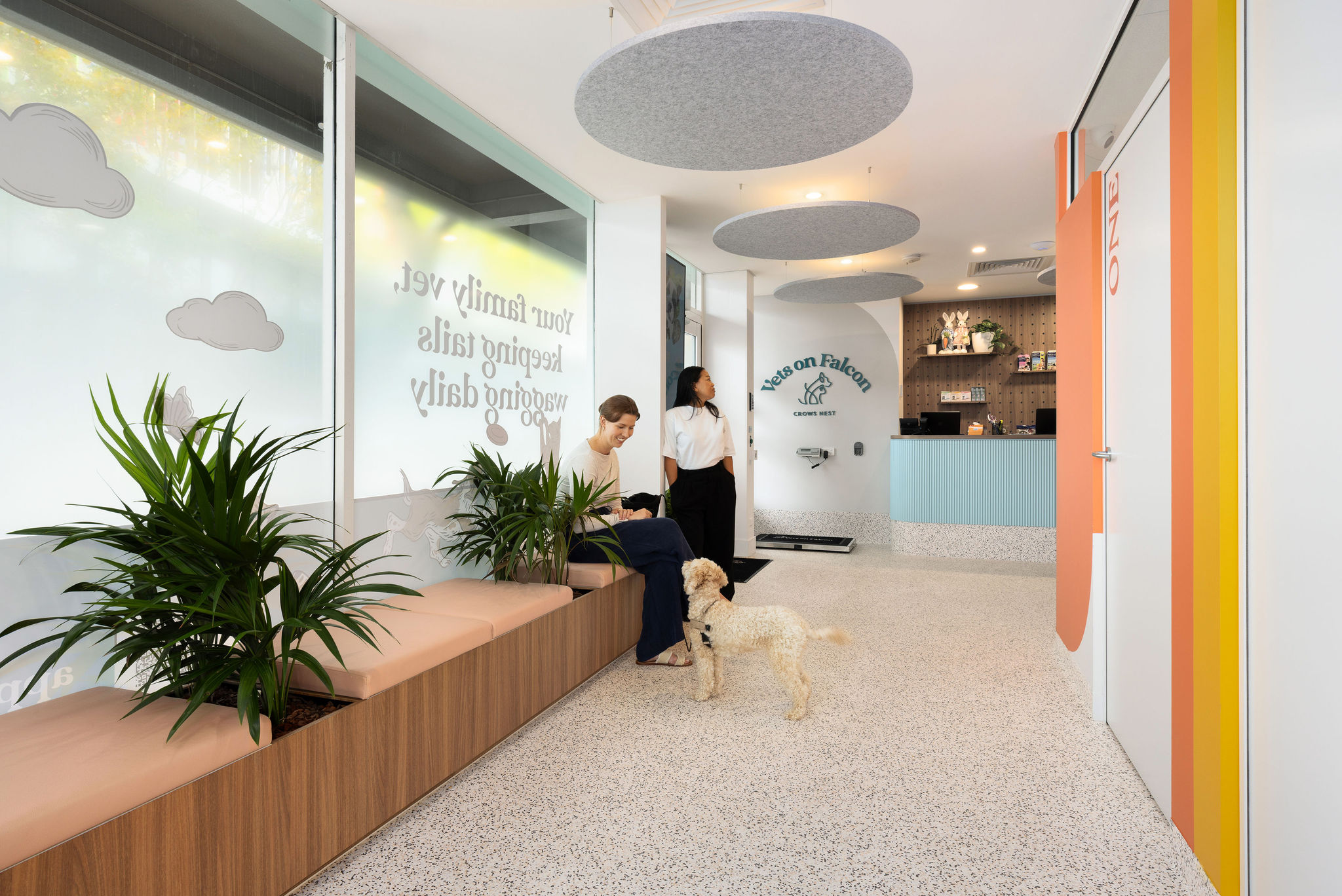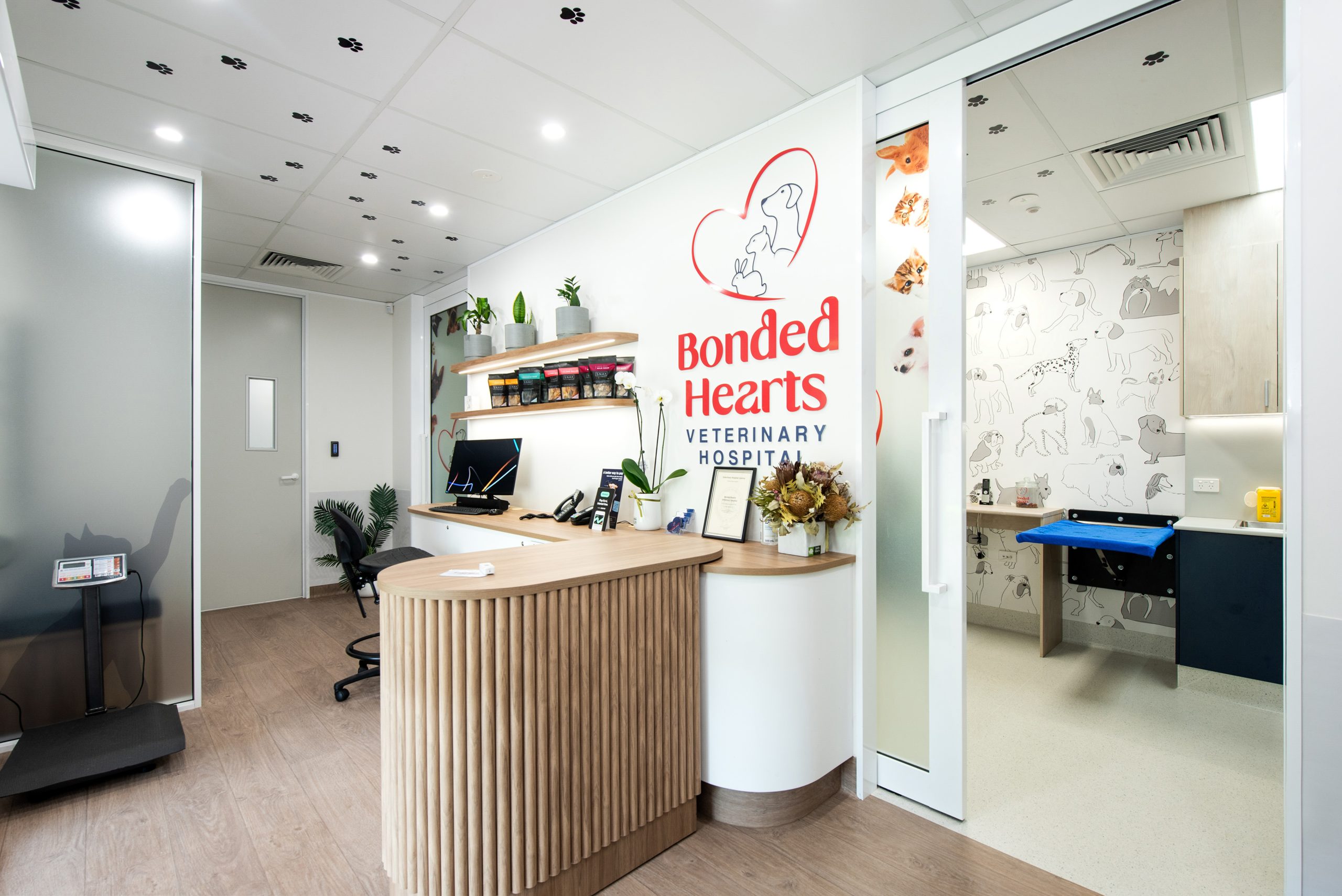
Clients arrive at reception with their pets and move to waiting and consultation areas. A vet moves between patients and equipment. A receptionist shifts between screen, counter and waiting area. Movement is woven into almost every veterinary experience.
The question is: does the veterinary environment make that movement easier, or harder?
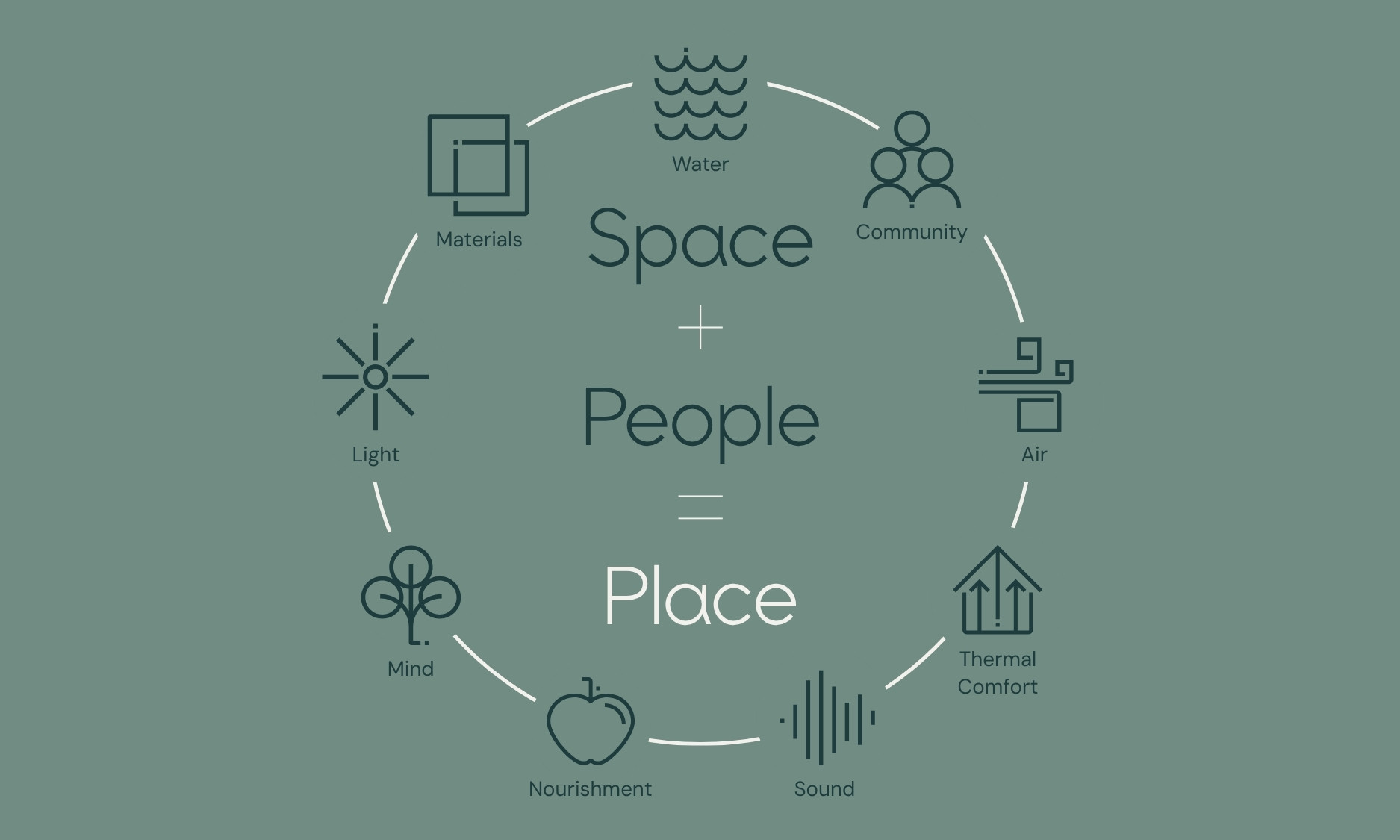
The “Move Well” concept is part of Evoke Projects’ Well-Places™ philosophy, places designed to help people do well. Thoughtful veterinary design and fit-out can reduce physical effort, support natural movement and help people move through their day.
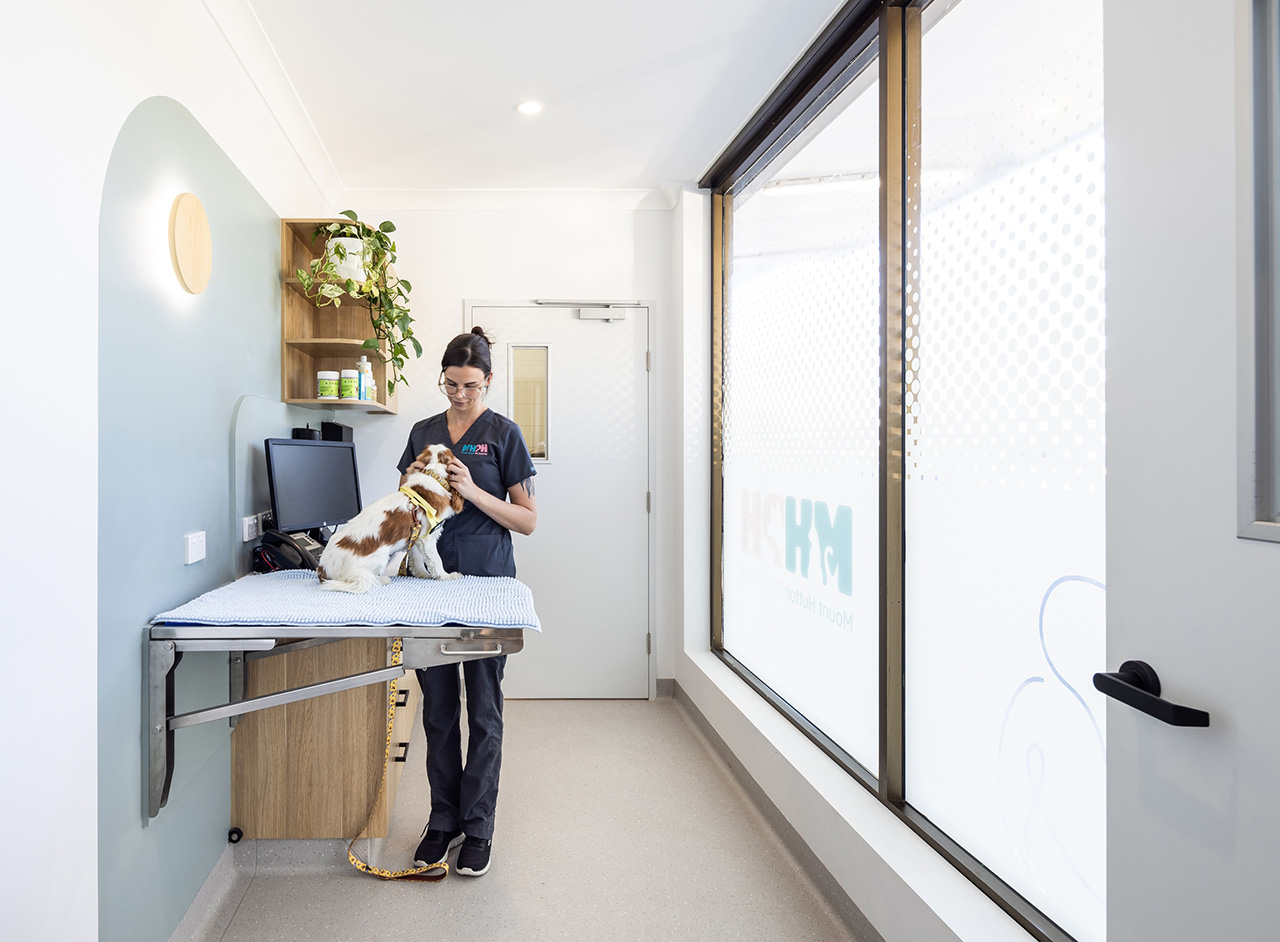
Good design around movement starts with a deceptively simple question: what are people actually doing here? Where do staff repeatedly walk? Where do they turn, bend or stretch? What journeys do clients and their animals take around the veterinary practice?
A room can be perfectly functional and still make the person using it work harder than necessary. A corridor can connect two spaces but still create an awkward journey. A workstation can involve constant reaching and turning. Design has the power to either create this friction or remove it.
Physical strain is not always the result of one significant action. Often, it is repetition: a small amount of unnecessary reaching, walking or twisting, repeated throughout a working day. This is where ergonomics becomes much more than choosing a comfortable chair.
Jerry Kennard, Director of Evoke, says, “When we look at a veterinary fit-out, we need to ask whether it works well for the people using it, and how much unnecessary physical effort we are building into their day.”
Circulation is often considered in terms of getting from one room to another. But a person’s experience of movement is richer than that. It begins when they enter the practice with their pet, continues through reception and their consultation, ending with a return to reception.
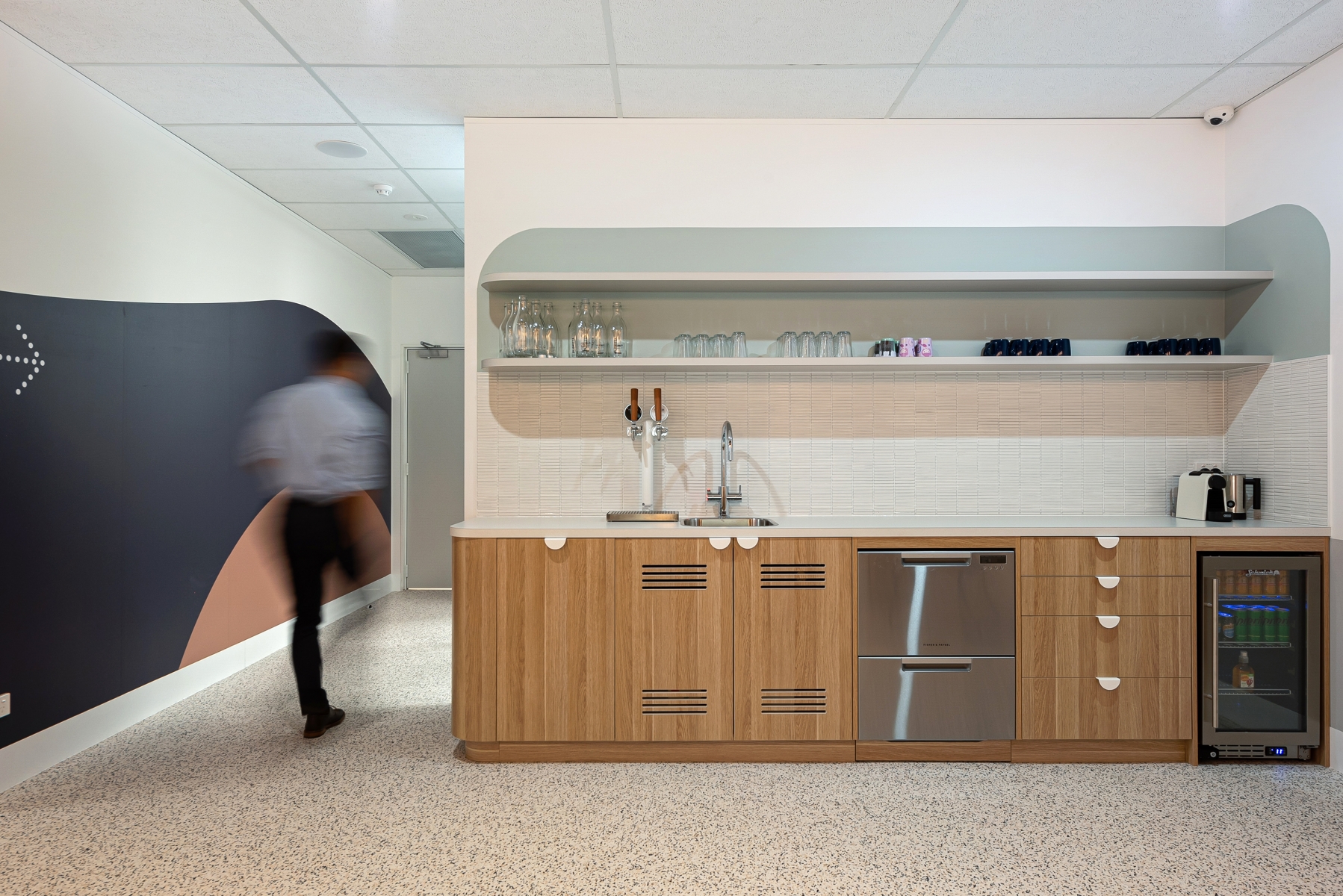
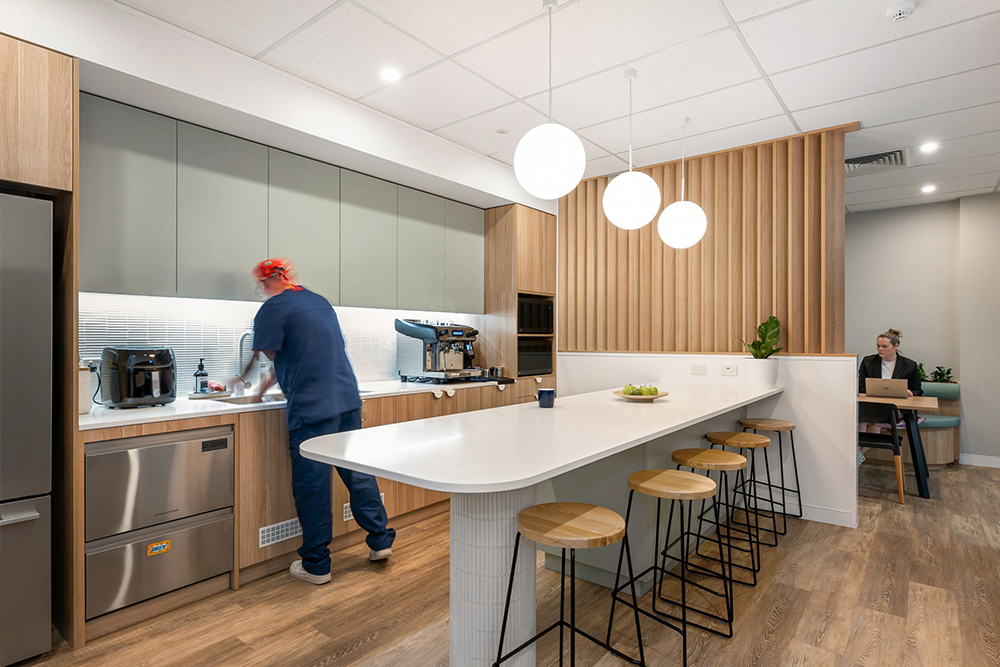
For staff, it includes the countless journeys between consultation rooms, treatment areas, storage and staff spaces. When these journeys are intuitive, people don’t have to think about them. When they aren’t, the environment creates friction.
Good veterinary fit-out within a Well-Place™ can make movement feel almost invisible. The right spaces are where people expect them to be, routes make sense, activities don’t obstruct one another, and staff can access what they need.
The result is not simply a more efficient layout. It is a less demanding experience.
Designing for movement also means recognising that people and animals move differently. A client using a walking aid, someone carrying a pet carrier or a staff member moving a large dog on a trolley will all experience the same environment differently.
Accessibility should not feel like an additional consideration after the veterinary fit-out is complete. It should be part of the thinking from the beginning.
There is another interesting question for veterinary leaders: could the design of a practice support healthier movement without telling people to “exercise”?
Some team members spend long periods at a desk. Others are on their feet continuously. There is no single “right” amount of movement. Ideally, there will be options so people can move between activities, stand rather than sit (or vice versa!), or take a short walk.
This is where design and behaviour intersect. People rarely change behaviour simply because they are told they should, but when the environment makes a different behaviour easy, it can become part of the natural rhythm of the day.
Perhaps the most valuable way to think about Move Well is not in terms of individual design features, but friction. Where does the practice make people work harder than they need to? Where do staff lose time or energy navigating the environment?
Jerry adds, “A well-designed veterinary environment should support people without demanding their attention. When movement, access and workflow feel natural, staff can focus more on animal care and clients can feel more confident in the environment around them.”
That is the real opportunity. The value of thoughtful veterinary design and fit-out is not necessarily something people consciously notice. Sometimes it is simply the absence of effort, frustration and uncertainty.
For veterinary leaders, well-being is sometimes treated as something that happens separately from the physical workplace. But the environment is part of the working experience, and the choices made during design and fit-out influence that every day.
Perhaps the most useful measure of good veterinary design is not how impressive the space looks, but how well it helps people get through their day.
Our Breathe Well, Fuel Well and Move Well articles have focused on creating Healthy Bodies. This is part of the wider Well-Places™ Framework, Evoke’s science-backed approach to designing, delivering and continually improving veterinary environments where people can be and do well. Future articles will cover Healthy Minds and Healthy Environments.
When design starts with people, even the smallest decisions can make a meaningful difference to how a practice works and feels. Let’s explore what a Well-Place™ focus could mean for your veterinary business.