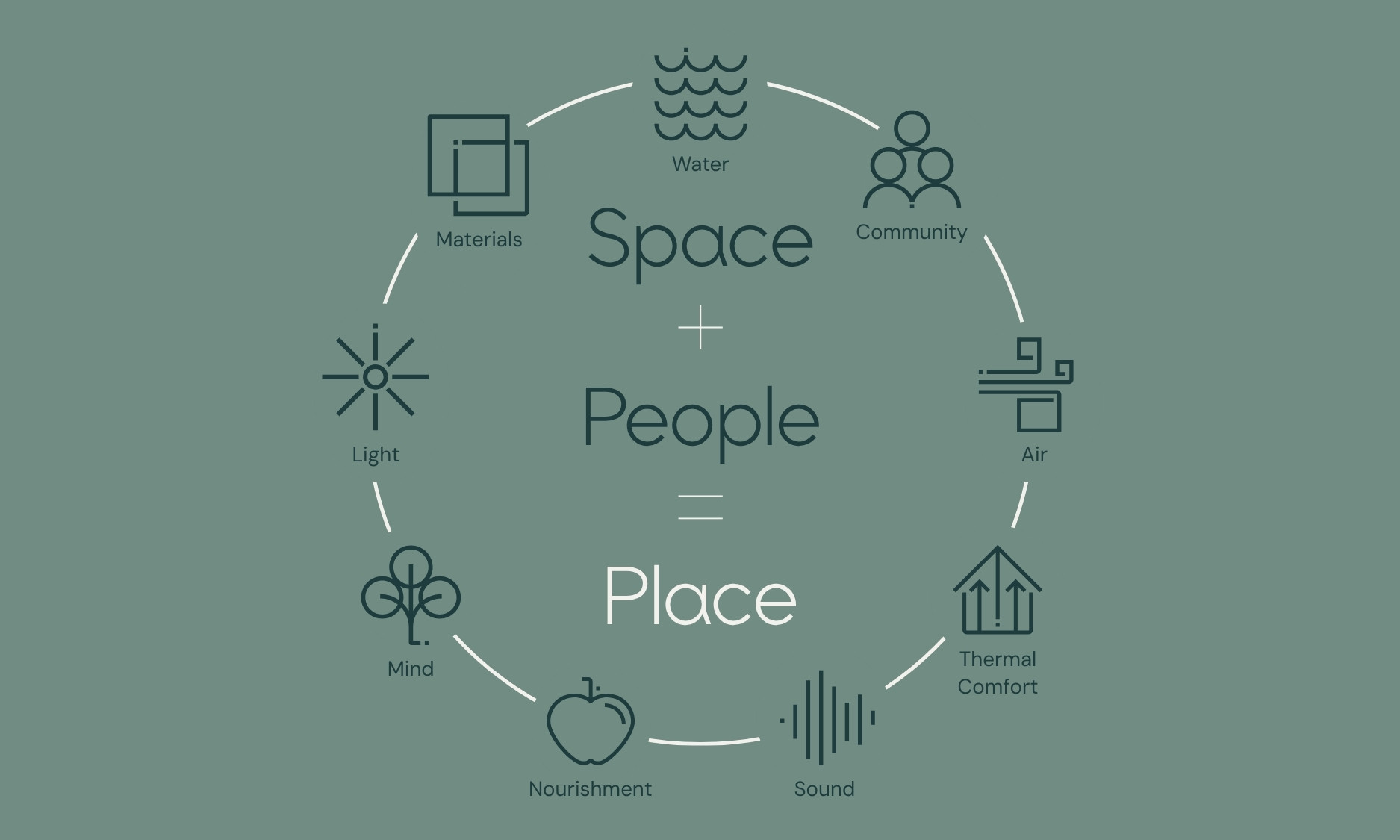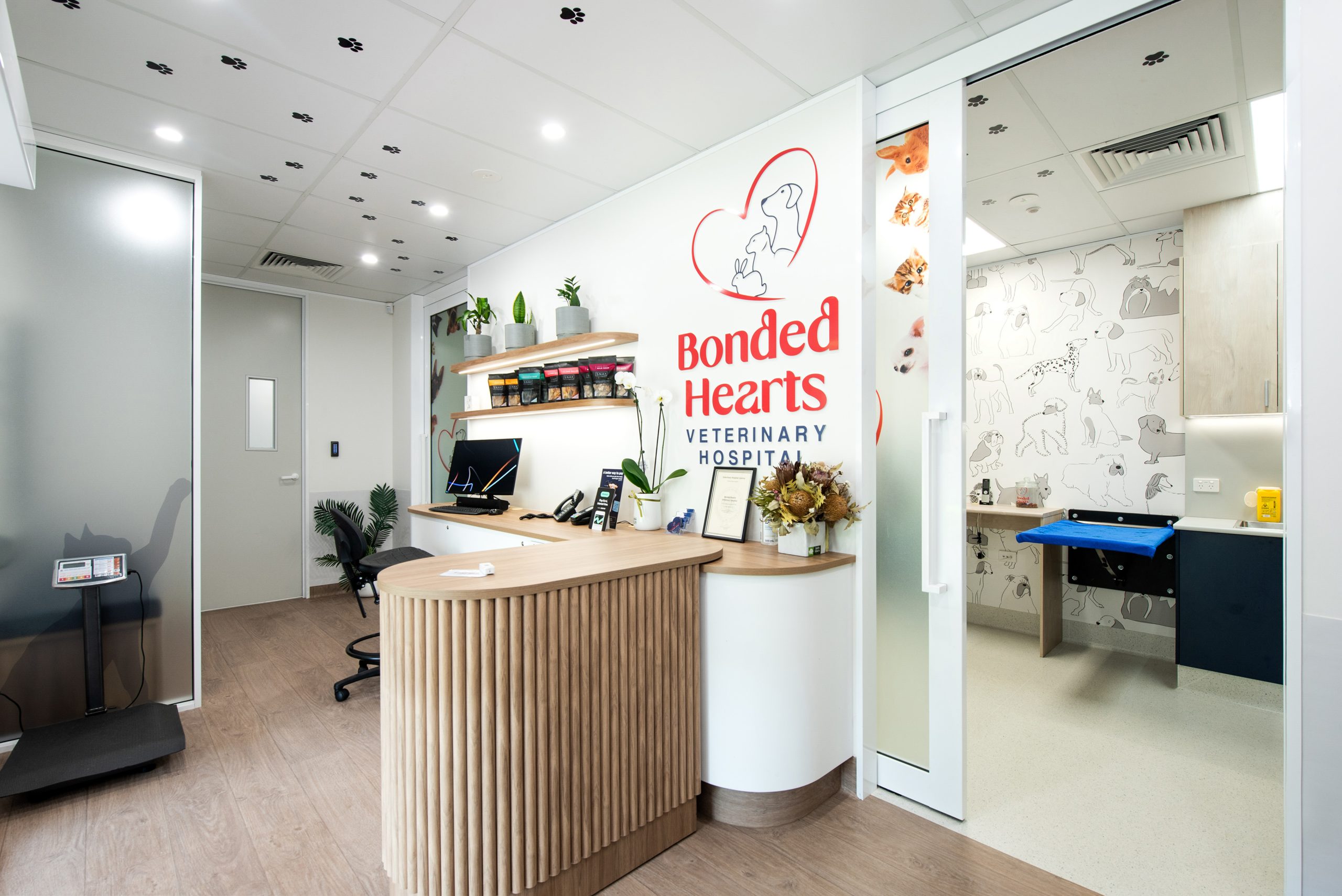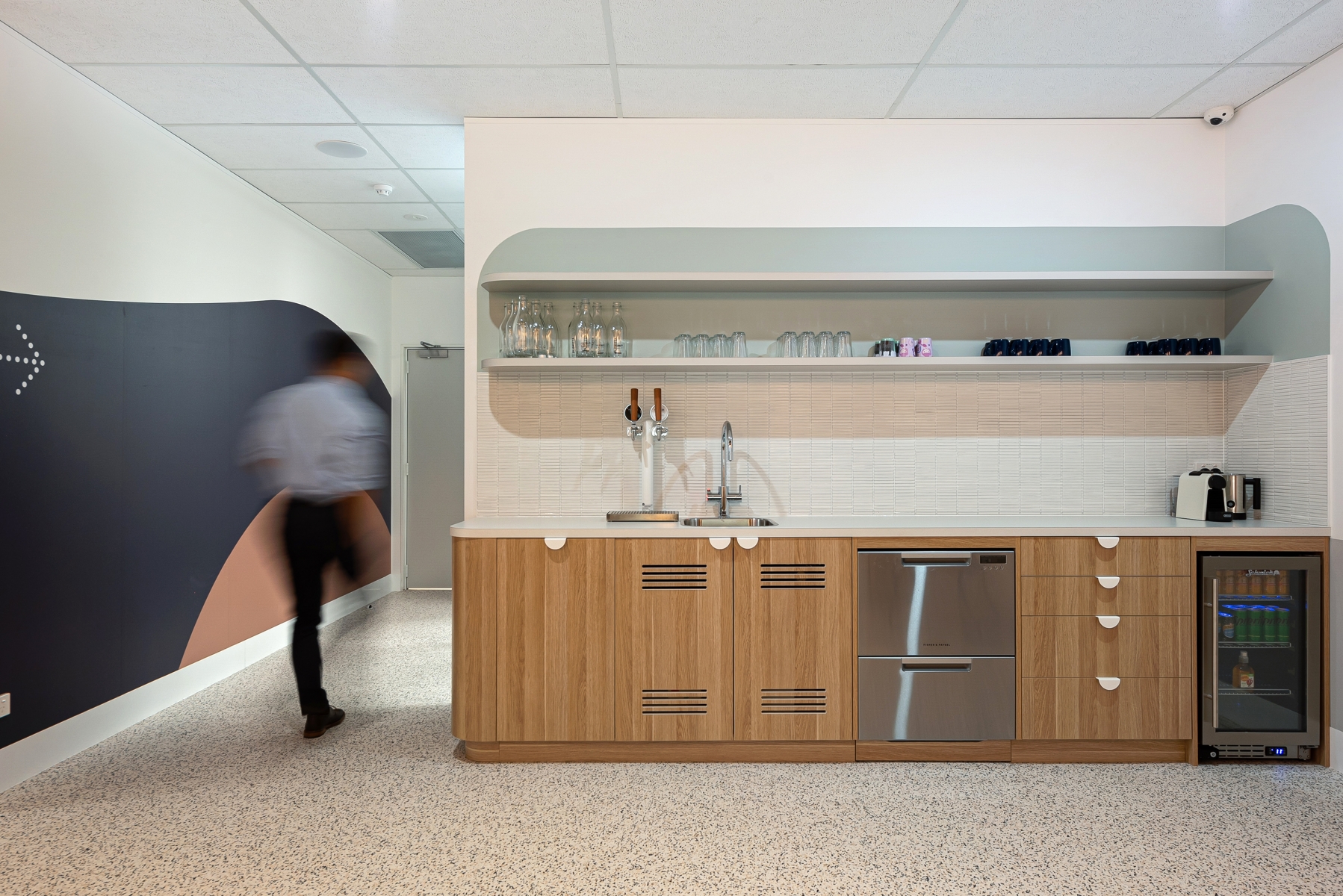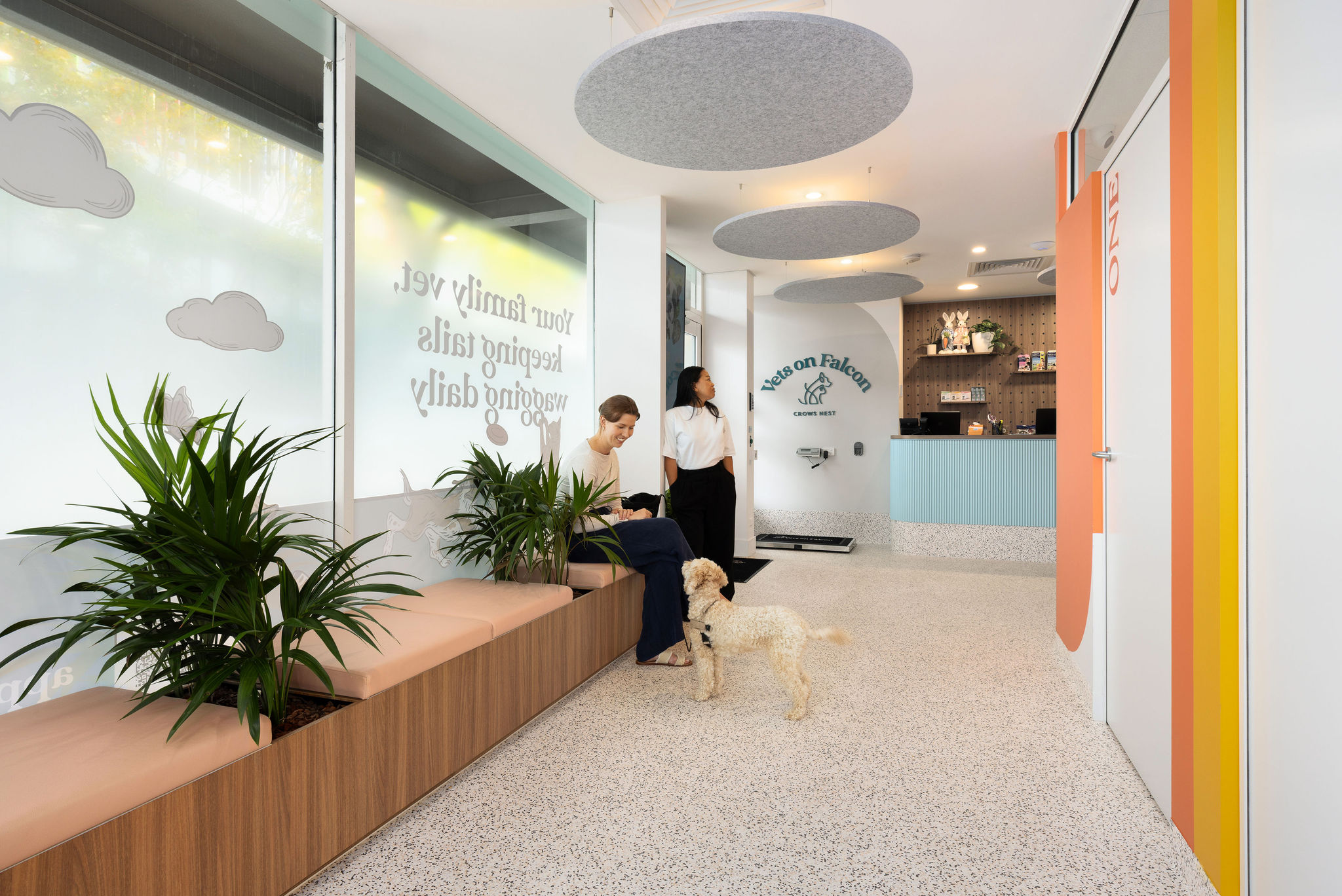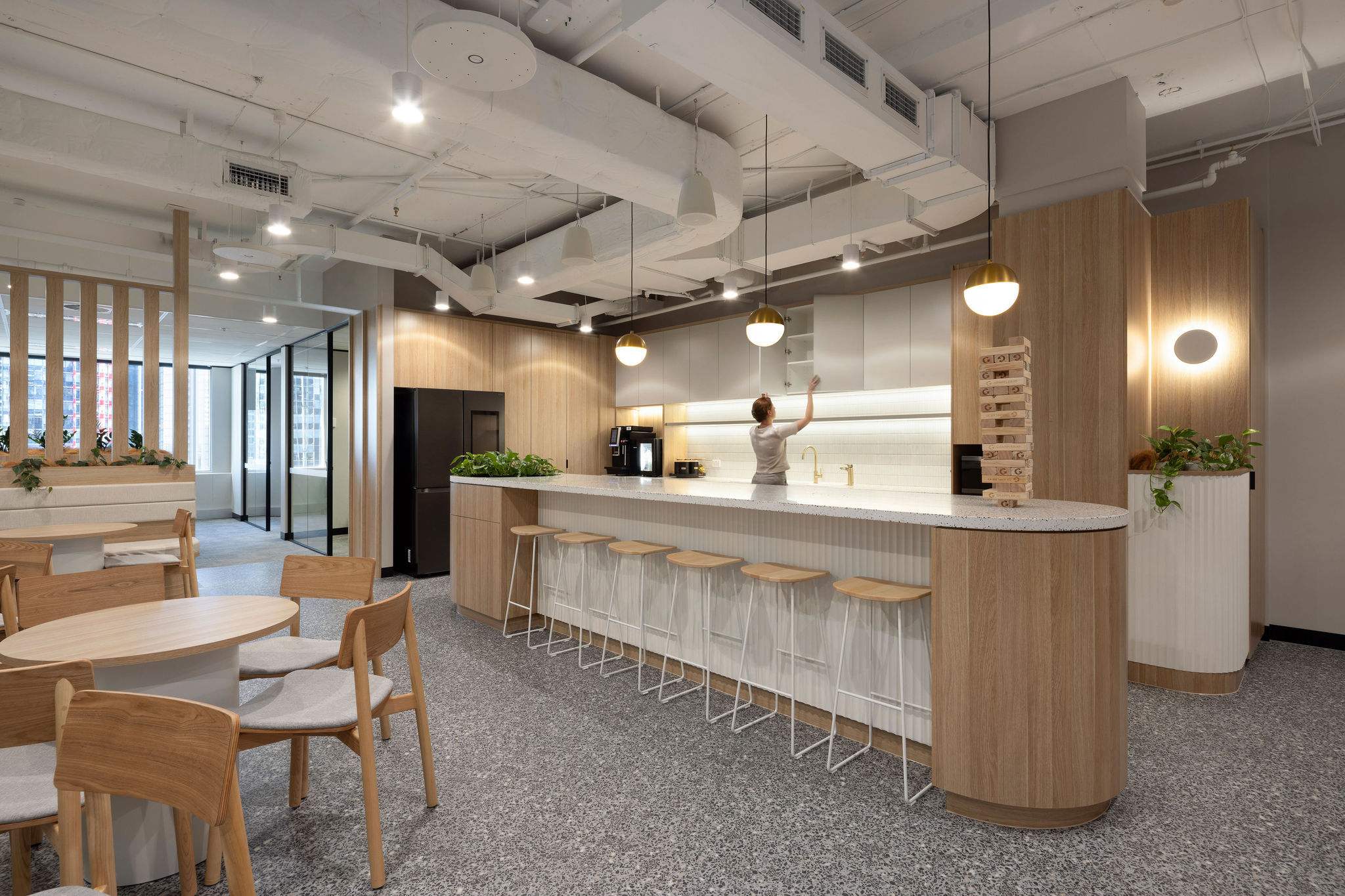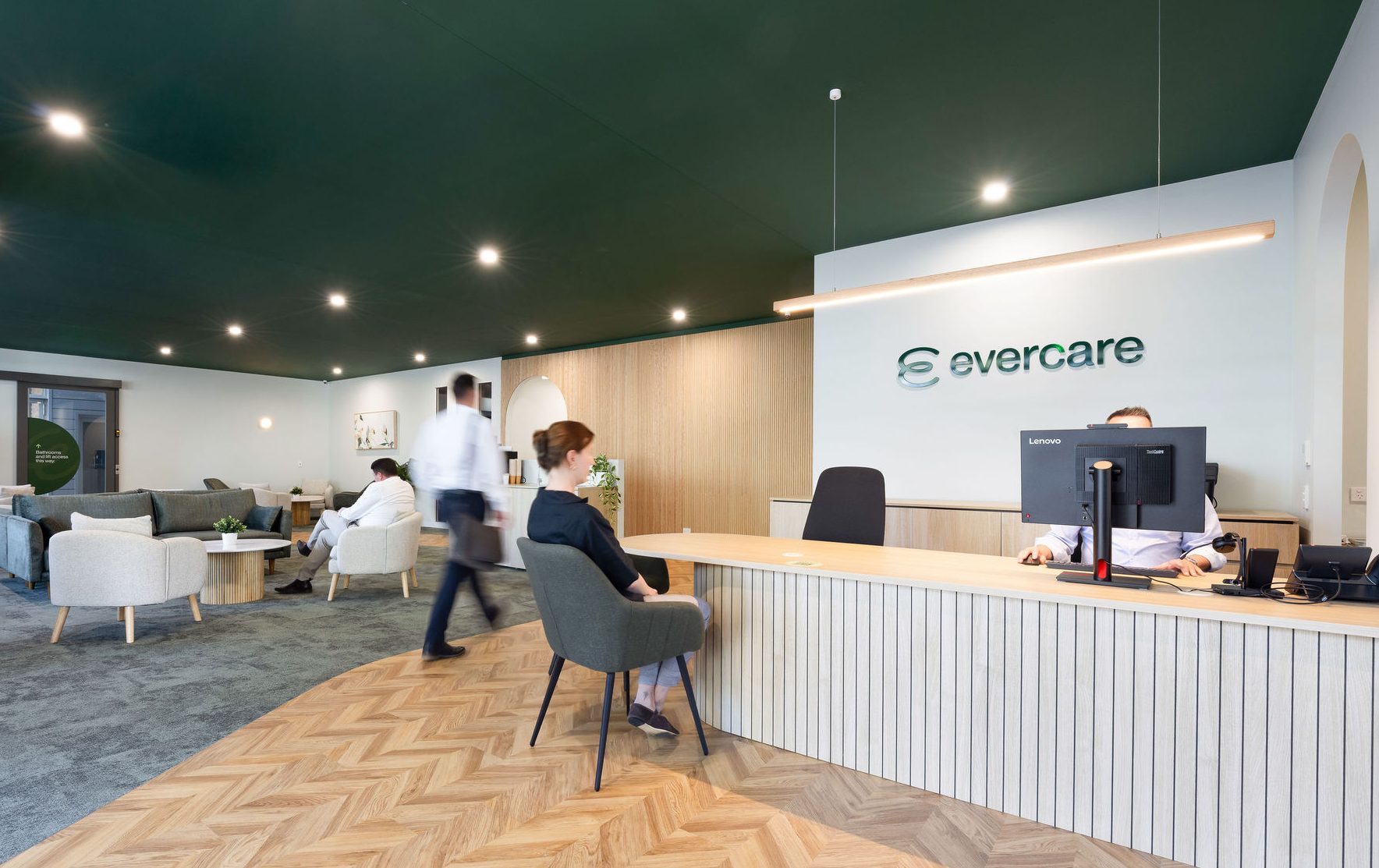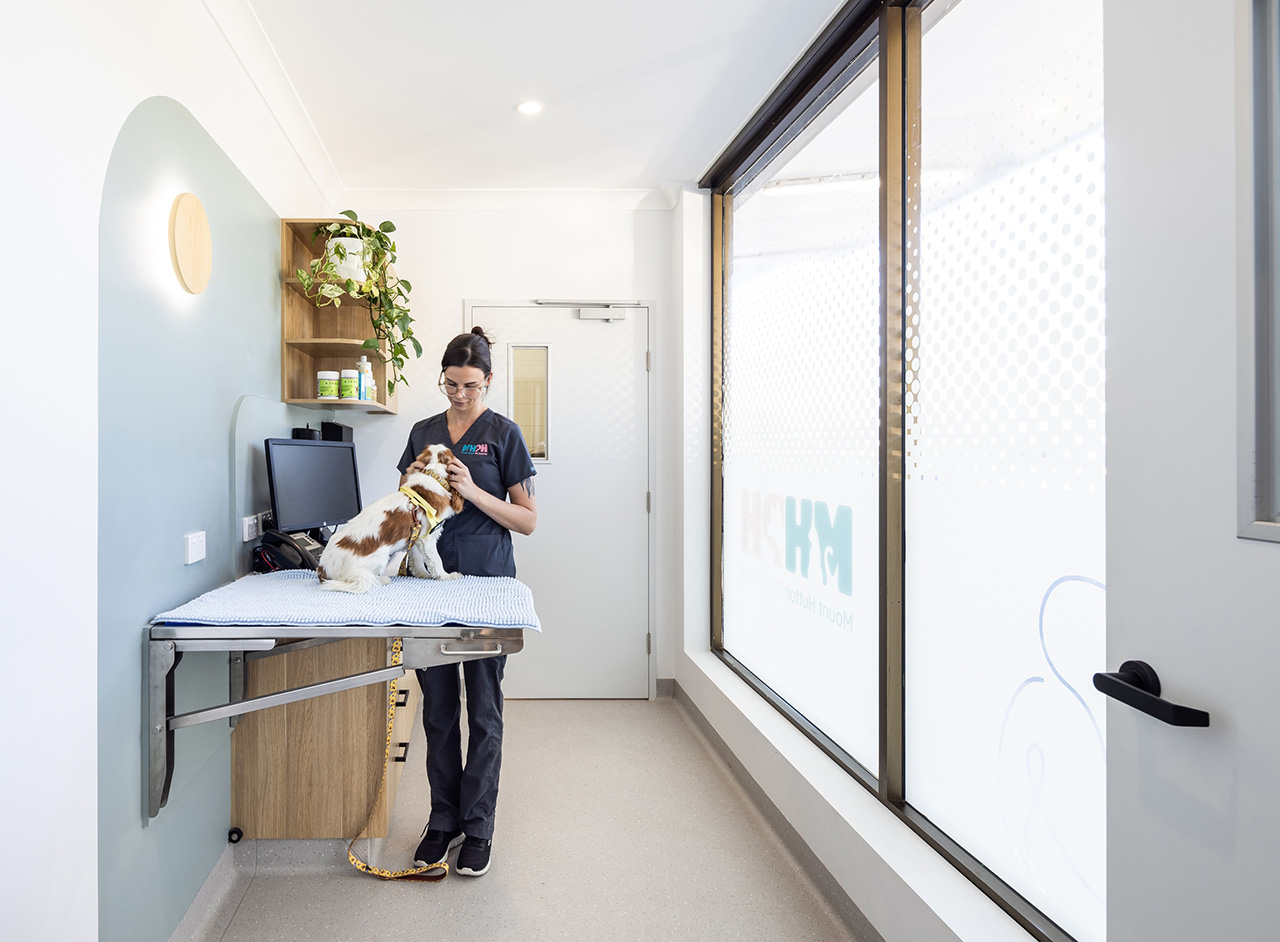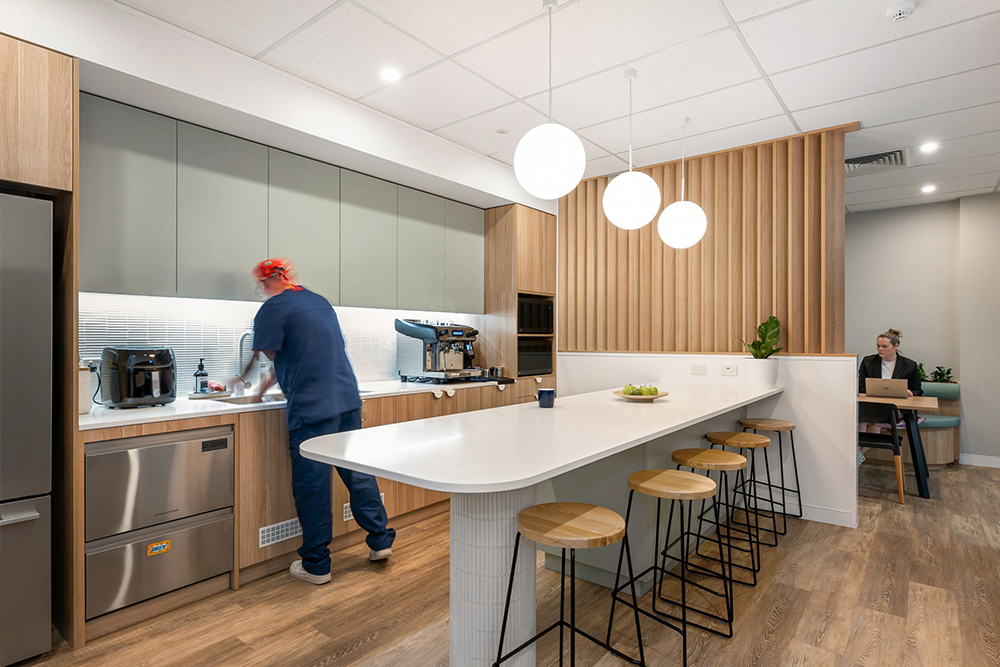
For this reason, the sensory experience deserves particular attention when designing a healthcare fit-out. “Sense Well” is a concept within Evoke Projects’ Well-Places™ philosophy, a science-backed approach to designing, delivering and continually improving healthcare environments where people can be and do well. A Well-Place™ considers sensory cues as part of the overall healthcare experience.
Let’s talk sense!
Sight, sound and smell are the key senses triggered within a healthcare setting. The appearance of a treatment room, the sound of equipment or a familiar clinical smell may remind someone of a previous experience, even before they consciously recognise why they feel uneasy.
Jerry Kennard, Director of Evoke, says, “People don’t always have the words to explain why a healthcare environment feels comfortable or uncomfortable. They simply know how it makes them feel. That’s why sensory considerations are so important when we think about the experience of patients, visitors and the healthcare team. Thoughtful design considers which sensory cues are necessary and which may add to stress.”
Light does more than help us see. It contributes to the atmosphere of a space and influences whether an environment feels welcoming, calm, energising or stark.
We all know how our mood changes under artificial versus natural light. Natural light can provide a connection to the outside world, making a space feel brighter and more welcoming. People feel more alert and positive.
Lighting that feels harsh or overly clinical creates a very different experience from an environment where light has been considered as part of the overall sense of comfort. For staff, this experience is repeated throughout the working day, making lighting an important consideration in a healthcare fit-out.
A busy reception, noisy phones, conversations, footsteps, doors and equipment can create a constant layer of background noise. Individually, these sounds may seem insignificant, but together they make a space feel busy and demanding.
For someone who is already anxious, excessive noise makes it harder to settle. For healthcare teams, a noisy environment makes concentration and communication more difficult.
Acoustics also contribute to something fundamental in healthcare: privacy. Patients need confidence that personal conversations will not be easily overheard, while staff need to communicate clearly and discreetly. Good acoustic design is therefore not about creating silence, but an environment where sound feels appropriate to what is happening.
Smell is closely connected with memory and emotion. For some patients, the smell of disinfectant or other clinical products may immediately bring back memories of hospitals, procedures or previous experiences. That association may be reassuring for one person and unsettling for another.
A clean, fresh and neutral environment helps avoid creating unnecessary associations. This does not mean introducing artificial fragrances. It means considering the sensory experience as part of the healthcare fit-out, including what people may notice as soon as they walk through the door.
Patients may spend an hour in a practice, while healthcare teams can spend most of their working lives there. A sensory experience that is only mildly noticeable during a short appointment can become tiring when experienced repeatedly. For practice owners and managers, this makes sensory design highly relevant to workplace well-being as well as patient experience.
One environment, many experiences
There is no universal sensory experience. A level of noise that barely registers to one person may feel overwhelming to another. Children and elderly people will have different sensory reactions. People with sensory sensitivities may be particularly affected by bright light, unexpected sounds, strong smells or visually busy environments. This is how you develop a Well-Place™, by considering the experience of the environment from the perspective of the people who use it.
Importantly for healthcare leaders, designing for comfort is not about creating a perfect sensory environment. It is about avoiding unnecessary sources of stress and providing an experience that feels considered, predictable and welcoming to as many people as possible.
When it comes to aesthetics, thoughtful healthcare design does not have to make people consciously notice the design. Sometimes the best outcome is simply a sense that the environment feels right. The lighting is comfortable, conversations feel private, background noise is minimal and the space feels welcoming.
Evoke’s Well-Places™ Framework covers Healthy Bodies, Healthy Minds and Healthy Environments. Sense Well is the first of the Healthy Minds considerations. By considering light, sound and scent, a Well-Place™ can help reduce unnecessary stress and create an experience that feels calmer, more comfortable and more human.
When we design with health in mind, we support healthier people, healthier organisations and healthier communities. Let’s explore what a Well-Place™ focus could mean for your business.