The workplace built environment influences nutrition by shaping how, where and when people eat and
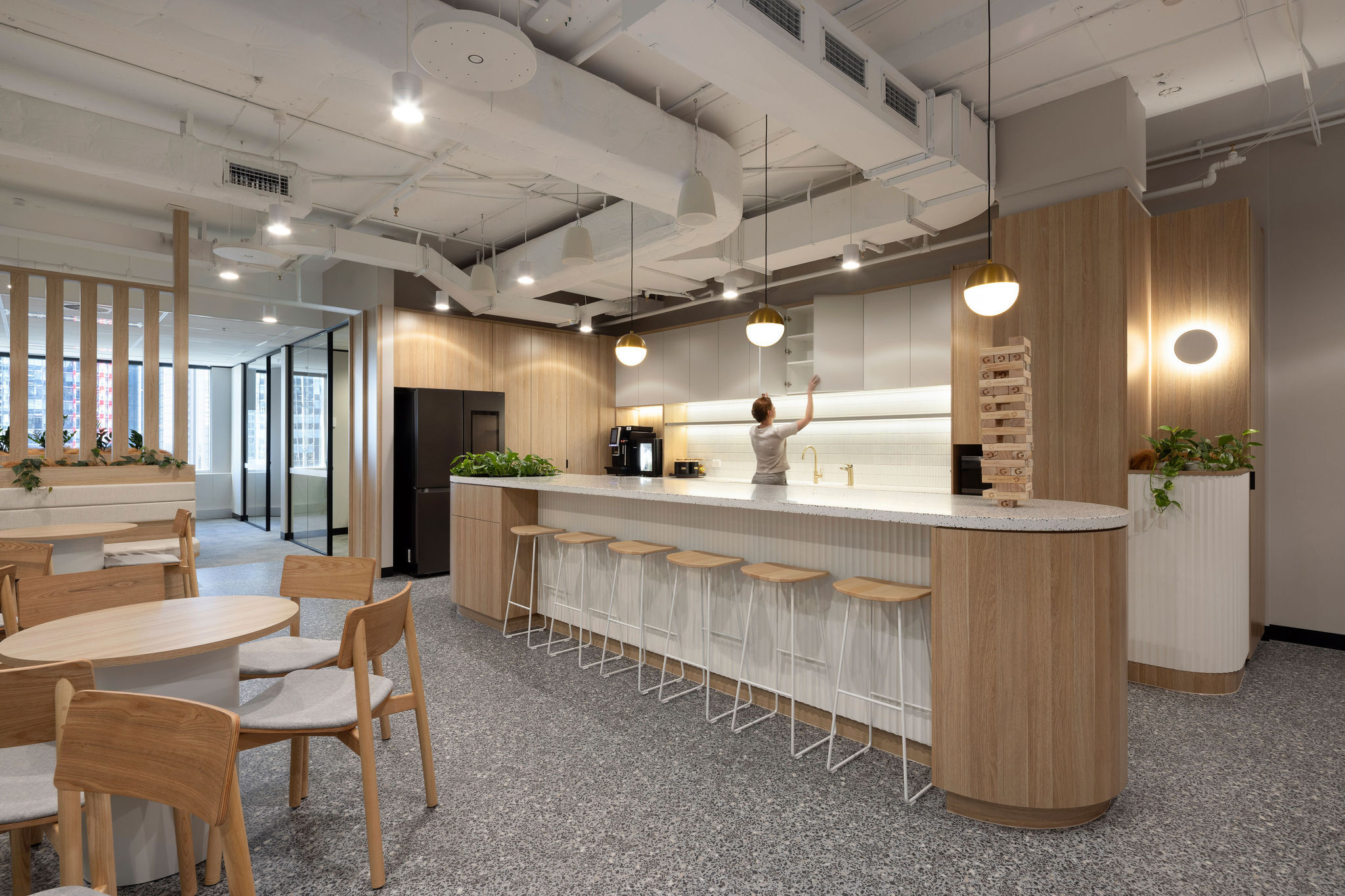
drink. Easy access to fresh drinking water encourages hydration. Veterinary fit-outs with accessible
kitchens, pleasant break areas and adequate space make healthy eating easier. When people have
somewhere to step away from work, they are more likely to pause, eat mindfully and return refreshed.
Jerry Kennard, Director of Evoke, expands, “A vet moves from one patient to the next. A practice
manager juggles staff, clients, patients, suppliers and the unexpected. Reception teams may spend
hours at their desks without moving. Lunch gets pushed back, water gets forgotten and a quick snack
replaces a proper break. A veterinary fit-out that makes it easy to refuel throughout the day increases
the chances that people will fuel well.”
Your team’s energy, focus and well-being influence every interaction with clients and their animals.
Research shows that when people are tired, hungry, dehydrated or uncomfortable, it becomes harder
to perform at their best. All these negative feelings can be caused by poor nutrition and hydration.
When healthy habits are continually squeezed out by the demands of the working day, the effects
extend beyond an individual. Morale, concentration, resilience and team culture will be affected.
Jerry says, “Practice owners and veterinary leaders have an opportunity to design workplaces that
recognise this reality. At Evoke, we know that a well-designed veterinary practice does not simply
provide somewhere for people to work. A Well-Place supports the people doing the work.”
We often don’t notice how little water we drink during a busy day. A full appointment book, a queue at
reception or an urgent case can easily take priority over something as basic as getting a drink.
Accessible and fresh drinking water changes the equation.
Think about where people naturally move through your veterinary practice. Is there somewhere
convenient to fill a water bottle? Can staff access drinking water without having to walk through client
or clinical areas? Is it equally easy for clients and visitors to get a drink when they need one? These
may sound like small considerations, but small environmental cues influence everyday behaviour.
Veterinary professionals spend much of their day looking after animals and their owners. It is easy for
their own meal break to become an afterthought.
Eating lunch at a computer, standing at a workstation or squeezing food in between appointments
might keep the day moving, but it does not create a genuine opportunity to pause and reset.
The veterinary fit-out can help change that.
A dedicated staff area, even a modest one, sends an important message that taking a proper break is
part of the working day, not an indulgence. That pause is valuable for more than eating. It gives
people an opportunity to recharge, connect with colleagues and return to their work with renewed
attention. A workplace that makes breaks possible is a workplace that recognises people as people,
not just resources.
In veterinary environments, hygiene is fundamental. But its importance goes beyond infection control.
People notice their environment.
Clients entering a veterinary practice may already be worried about their animal or what they will
encounter. A clean, well-maintained environment provides reassurance. For staff, the environment
demonstrates that their health, safety and comfort matter.
Cleaning up the communal kitchen or meal area is often a bone of contention. A dirty fridge or
unloaded dishwasher bother some people more than others. Don’t let this become an issue in your
workplace. Implement a cleaning roster or make it part of your cleaning company’s daily
responsibilities.
The most effective workplace habits are often the ones that require the least effort. If fresh drinking
water means walking to another part of the practice, it’s less likely to happen. If eating lunch means
sitting at a workstation, the boundary between work and break becomes blurred. Always ask yourself
if your veterinary fit-out supports the behaviour you want to encourage.
Where do people naturally walk? What do they see? What is convenient? What does the environment
tell them about how much their well-being matters? These are design questions, but ultimately, they
are people questions.
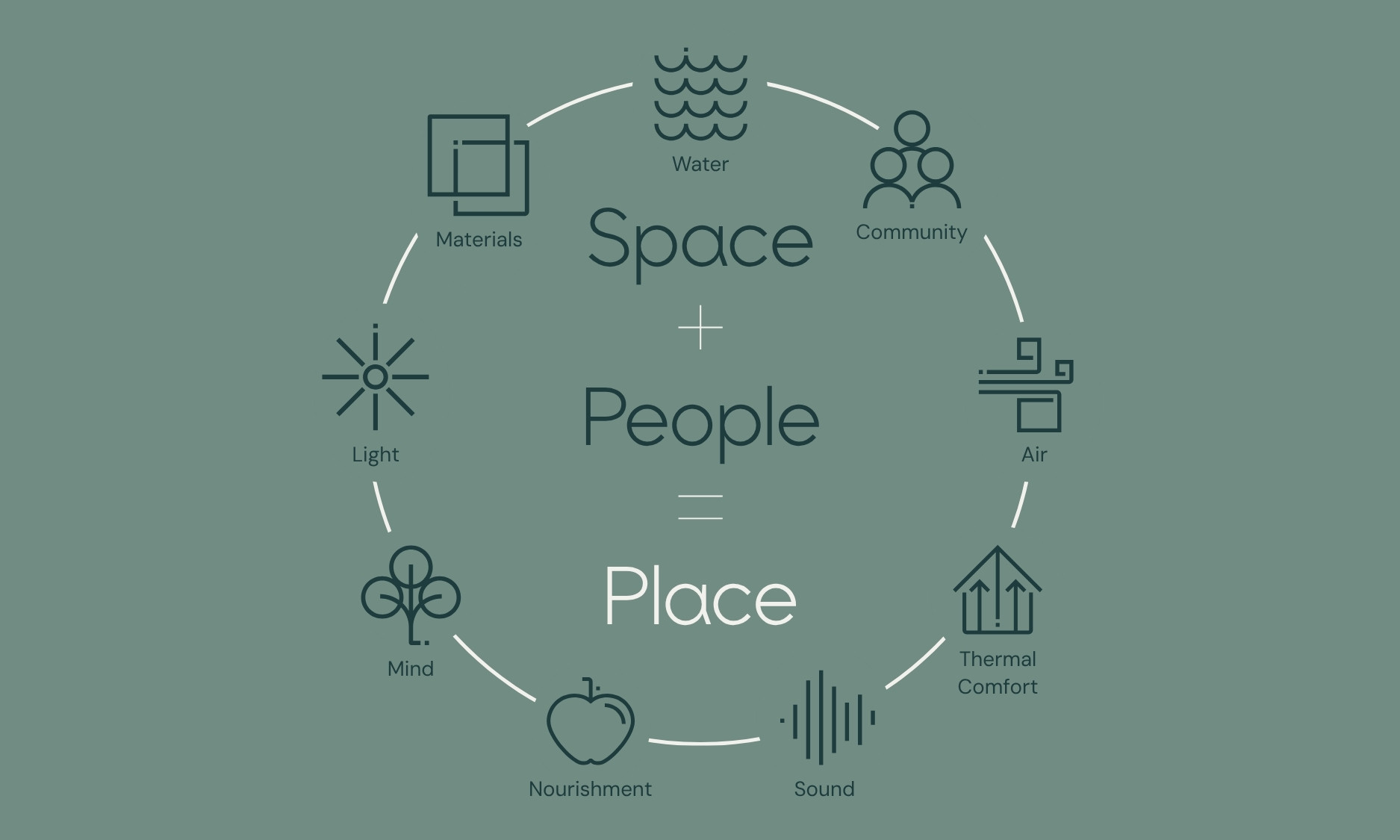
“Fuel Well” is another part of the Well-Places Ecosystem, Evoke’s science-backed approach to
designing, delivering and continually improving veterinary environments where people can be and do
well.
Fuel Well considers how the environment can support the everyday behaviours that keep people
going. Next month, we will look at “Move Well” and how ergonomics, circulation and physical activity
impact your team.